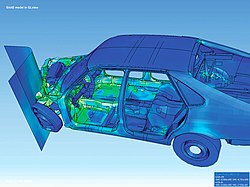
 Visualization (or visualisation), also known as graphics visualization, is any technique for creating images, diagrams, or animations to communicate a message. Visualization through visual imagery has been an effective way to communicate both abstract and concrete ideas since the dawn of humanity.
 Visualization is the process of creating a mental image or intention of what you want to manifest or achieve, engaging the mind's eye to form a picture of your desired outcomes with as much clarity and detail as possible.